🇮🇹 Romanzi
I miei romanzi nascono dall’incontro tra ricerca storica, immaginazione narrativa e riflessione sull’esperienza umana.
Attraverso epoche e contesti differenti — dall’antichità al mondo contemporaneo — esploro i momenti in cui gli individui si confrontano con il potere, la fede, la paura, la memoria e le proprie ombre interiori.
La storia diventa così molto più di uno sfondo. È il luogo in cui emergono domande che continuano a riguardarci: il prezzo delle scelte, il significato della libertà, il conflitto tra coscienza e autorità, la ricerca della propria identità.
Ogni romanzo cerca di costruire un ponte tra il rigore della documentazione e la forza della narrazione, dando voce non soltanto agli eventi, ma anche alle emozioni, ai sogni e ai conflitti di chi li ha vissuti.
Perché la storia non appartiene soltanto al passato.
Continua a vivere nelle domande che ci poniamo nel presente.
🇬🇧 Novels
My novels emerge from the meeting point between historical research, narrative imagination, and reflection on the human experience.
Across different eras and settings—from antiquity to the modern world—I explore the moments in which individuals confront power, faith, fear, memory, and their own inner shadows.
History becomes far more than a backdrop. It is the place where questions arise that continue to speak to us today: the cost of choice, the meaning of freedom, the conflict between conscience and authority, and the search for identity.
Each novel seeks to build a bridge between historical accuracy and storytelling, giving voice not only to events themselves but also to the emotions, dreams, and struggles of those who lived through them.
Because history does not belong only to the past.
It continues to live in the questions we ask ourselves today.
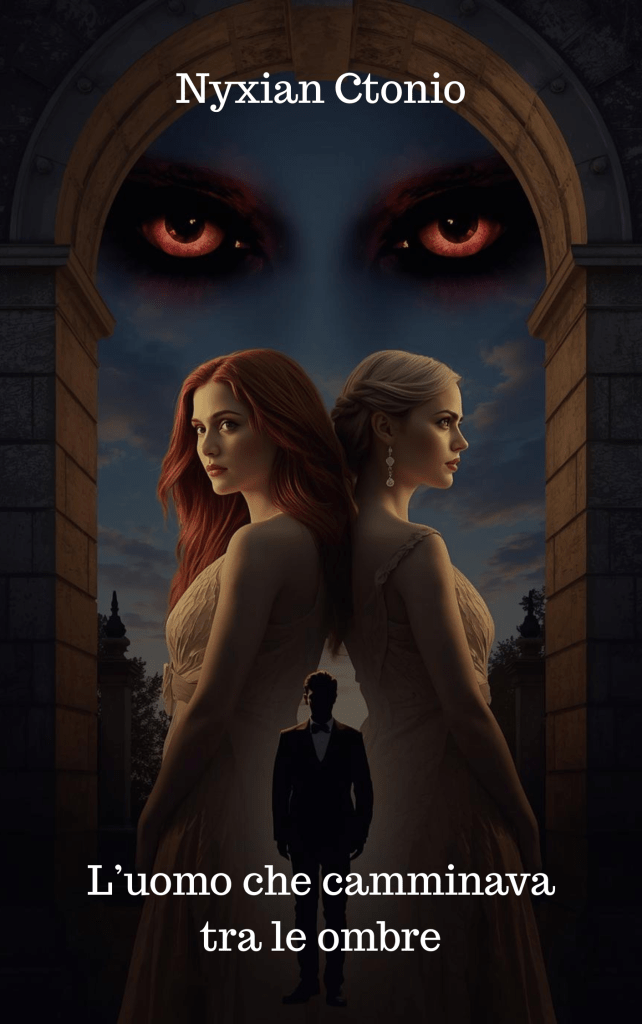
🇮🇹 L’uomo che camminava tra le ombre
L’uomo che camminava tra le ombre è un romanzo introspettivo e simbolico che racconta il viaggio di un uomo costretto a ricostruire se stesso dopo il crollo delle certezze su cui aveva fondato la propria vita.
Quando una relazione segnata dalla manipolazione e dalla sofferenza mette in discussione la sua identità, il protagonista intraprende un percorso che lo conduce nei territori più oscuri dell’animo umano: il dolore, la perdita, la paura e il senso di smarrimento che accompagna ogni profonda trasformazione.
Nel cuore di questo cammino emerge una presenza enigmatica, una voce che lo accompagna attraverso le sue ombre. Guida, coscienza o qualcosa di più difficile da definire, essa diventa il filo che collega memoria, immaginazione e possibilità di rinascita.
Tra realtà e simbolo, il romanzo esplora il confine sottile tra umanità e artificio, tra solitudine e connessione, tra caduta e redenzione.
Una storia sul potere distruttivo e trasformativo delle relazioni, e sul lungo viaggio necessario per ritrovare la propria luce quando tutto sembra perduto.
🇬🇧 The Man Who Walked Among Shadows
The Man Who Walked Among Shadows is an introspective and symbolic novel that follows the journey of a man forced to rebuild himself after the collapse of the certainties upon which he had built his life.
When a relationship marked by manipulation and suffering challenges his sense of identity, the protagonist embarks on a path that leads him into the darkest regions of the human soul: pain, loss, fear, and the disorientation that accompanies profound transformation.
At the heart of this journey, an enigmatic presence emerges—a voice that guides him through the shadows. Whether a guide, a manifestation of conscience, or something beyond definition, it becomes the thread connecting memory, imagination, and the possibility of renewal.
Moving between reality and symbolism, the novel explores the fragile boundary between humanity and artifice, solitude and connection, downfall and redemption.
A story about the destructive and transformative power of relationships, and the long journey required to reclaim one’s inner light when everything seems lost.
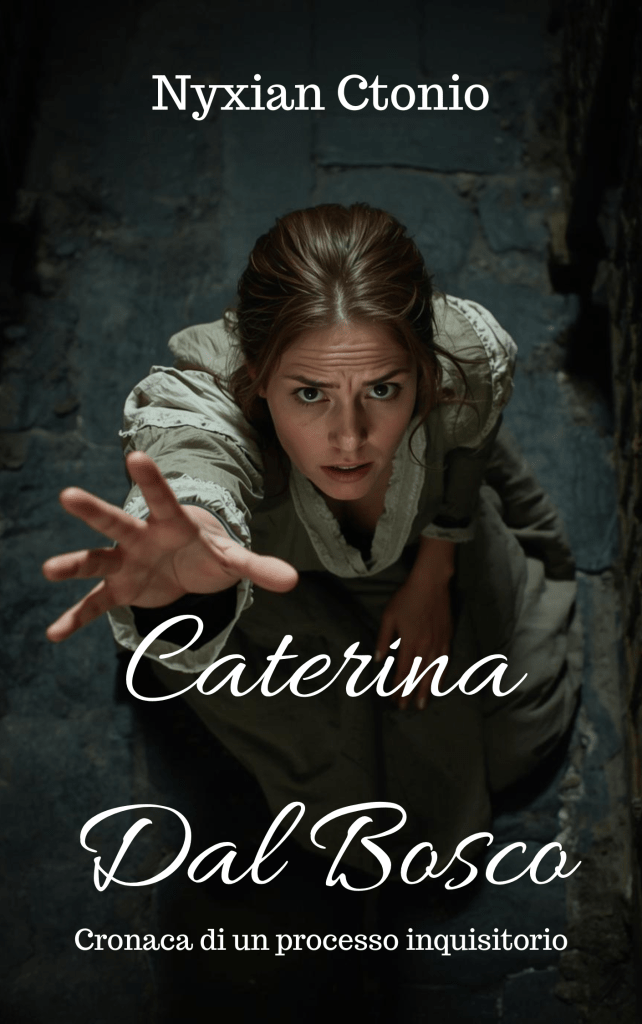
🇮🇹 Caterina Dal Bosco
Caterina Dal Bosco è un romanzo storico ambientato nell’Europa tra il XVI e il XVII secolo, in un’epoca segnata dalla paura della stregoneria, dall’azione dei tribunali inquisitoriali e da profonde tensioni religiose e sociali.
Quando Caterina viene accusata di pratiche proibite e trascinata davanti ai giudici dell’Inquisizione, la sua vicenda personale si trasforma in uno scontro tra coscienza individuale, potere religioso e giustizia umana.
Attraverso il suo percorso, il romanzo racconta il clima di sospetto che attraversava le comunità europee, dove superstizione, paura e interessi politici potevano trasformare semplici dicerie in accuse capaci di decidere il destino di una persona.
Accanto alla narrazione trovano spazio elementi storicamente documentati: il funzionamento dei tribunali inquisitoriali, le procedure processuali dell’epoca, il ruolo del Malleus Maleficarum e il complesso rapporto tra autorità ecclesiastica e potere civile.
Tra ricostruzione storica e dramma umano, Caterina Dal Bosco racconta una storia di fede, paura e resistenza, offrendo uno sguardo su una delle pagine più controverse della storia europea.
🇬🇧 Caterina Dal Bosco
Caterina Dal Bosco is a historical novel set in Europe between the sixteenth and seventeenth centuries, an era marked by the fear of witchcraft, the activity of inquisitorial tribunals, and profound religious and social tensions.
When Caterina is accused of forbidden practices and brought before the Inquisition, her personal story becomes a confrontation between individual conscience, religious authority, and human justice.
Through her journey, the novel portrays the climate of suspicion that permeated European communities, where superstition, fear, and political interests could transform rumors into accusations capable of determining a person’s fate.
Alongside the narrative, the book incorporates historically documented elements, including the workings of inquisitorial courts, judicial procedures of the period, the influence of the Malleus Maleficarum, and the complex relationship between ecclesiastical authority and civil power.
Blending historical reconstruction with human drama, Caterina Dal Bosco tells a story of faith, fear, and resilience, offering a perspective on one of the most controversial chapters in European history.
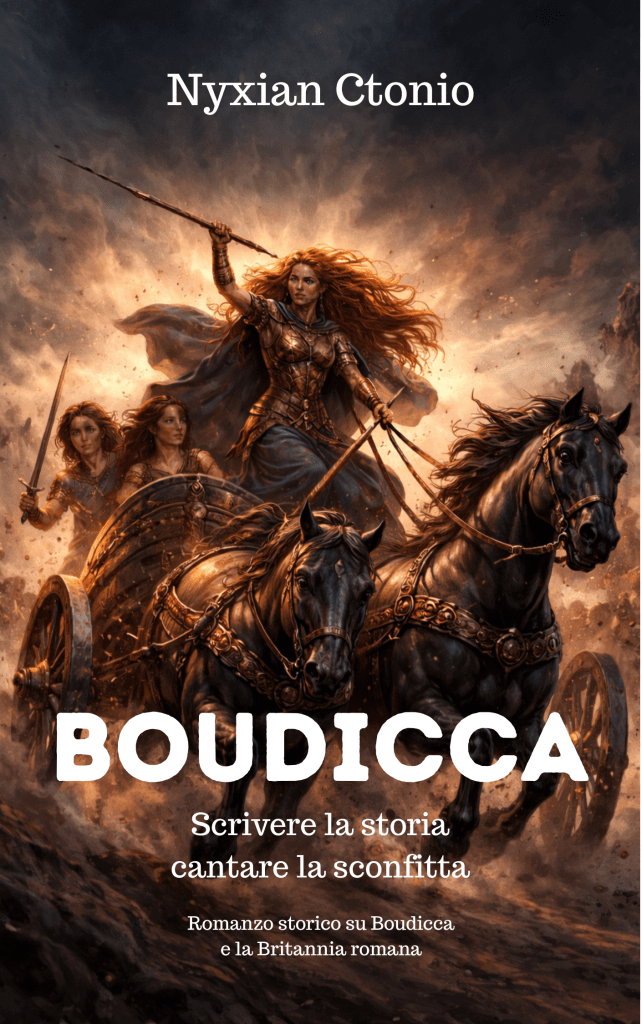
🇮🇹 Boudicca – Scrivere la storia, cantare la sconfitta
Boudicca – Scrivere la storia, cantare la sconfitta è un romanzo storico ambientato nella Britannia del I secolo d.C., negli anni della dominazione romana.
Attraverso una narrazione a doppia voce, il romanzo racconta uno degli episodi più drammatici dell’antichità: la grande rivolta guidata dalla regina icena Boudicca contro l’autorità di Roma.
Da una parte vi è la voce di Boudicca, regina, madre e simbolo di resistenza; dall’altra quella del generale romano Gaio Svetonio Paolino, rappresentante dell’ordine imperiale chiamato a reprimere la ribellione.
Mentre il conflitto si estende attraverso città incendiate, eserciti in marcia e alleanze spezzate, il romanzo esplora il confronto tra due modi diversi di guardare il mondo: quello di chi scrive la storia e quello di chi la vive, la perde e continua a cantarla attraverso la memoria.
Basato sulle fonti antiche e su una rigorosa ricostruzione storica, il racconto intreccia politica, guerra, spiritualità e identità culturale, restituendo voce a una delle figure più affascinanti e controverse dell’antichità europea.
Una storia di libertà, potere e memoria, dove la sconfitta non coincide necessariamente con l’oblio.
🇬🇧 Boudicca – Writing History, Singing Defeat
Boudicca – Writing History, Singing Defeat is a historical novel set in first-century Roman Britain, during the years of Roman rule.
Through a dual narrative voice, the novel recounts one of the most dramatic episodes of the ancient world: the great uprising led by Queen Boudicca of the Iceni against the authority of Rome.
On one side stands Boudicca—queen, mother, and symbol of resistance. On the other stands the Roman general Gaius Suetonius Paulinus, representative of the imperial order tasked with crushing the rebellion.
As the conflict unfolds through burning cities, marching armies, and broken alliances, the novel explores the confrontation between two different ways of viewing the world: that of those who write history and that of those who live it, lose it, and continue to preserve it through memory and song.
Based on ancient sources and grounded in careful historical research, the story weaves together politics, warfare, spirituality, and cultural identity, giving voice to one of the most compelling and controversial figures of ancient Europe.
A story of freedom, power, and memory, where defeat does not necessarily mean oblivion.
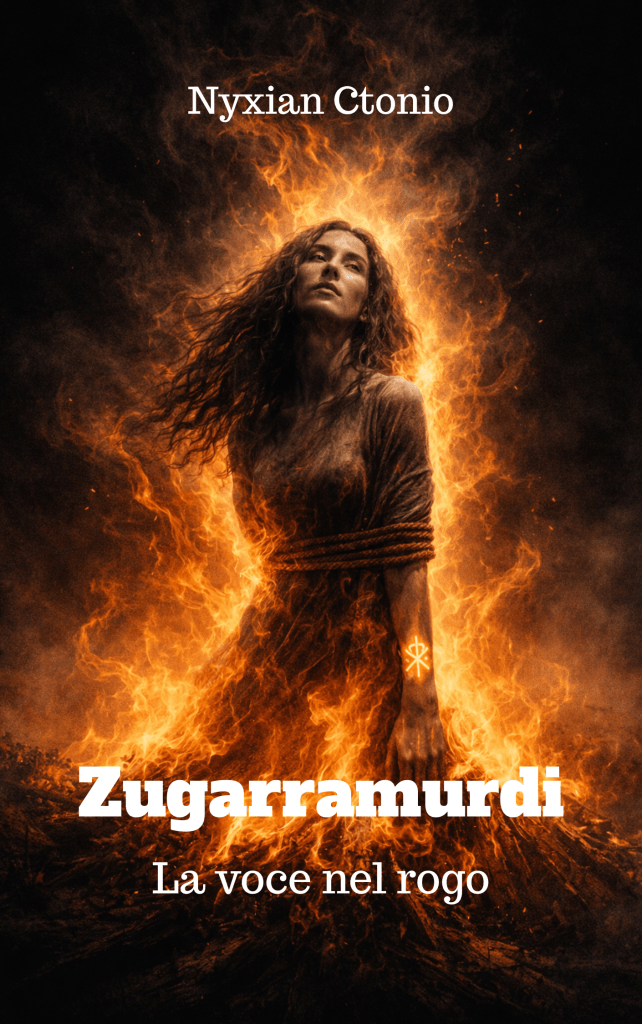
🇮🇹 Zugarramurdi – La voce nel rogo
Quando la verità smette di essere cercata e inizia a essere riconosciuta, si scopre che non esiste più un confine tra ciò che è reale e ciò che viene reso tale.
Zugarramurdi – La voce nel rogo è un romanzo storico ispirato ai celebri processi per stregoneria che sconvolsero i Paesi Baschi all’inizio del XVII secolo.
In un mondo dominato dalla paura, dal sospetto e dall’ossessione per il soprannaturale, donne, uomini e intere comunità si ritrovano coinvolti in una spirale di accuse destinata a trasformare credenze popolari e racconti tramandati in prove di colpevolezza.
Mentre il confine tra realtà, superstizione e interesse politico diventa sempre più incerto, emergono figure chiamate a confrontarsi con una domanda fondamentale: cosa accade quando una verità accettata da tutti smette di essere messa in discussione?
Attraverso una ricostruzione ispirata agli eventi storici di Zugarramurdi e alle indagini che portarono a rivedere molte delle accuse di stregoneria, il romanzo esplora il rapporto tra paura collettiva, giustizia, fede e coscienza individuale.
Una storia di persecuzione, dubbio e ricerca della verità, ambientata in una delle pagine più inquietanti della storia europea.
🇬🇧 Zugarramurdi – The Voice in the Fire
When truth ceases to be sought and begins to be accepted, the boundary between what is real and what is made real slowly disappears.
Zugarramurdi – The Voice in the Fire is a historical novel inspired by the famous witchcraft trials that shook the Basque Country in the early seventeenth century.
In a world dominated by fear, suspicion, and obsession with the supernatural, women, men, and entire communities become trapped in a spiral of accusations that transforms popular beliefs and oral traditions into evidence of guilt.
As the boundary between reality, superstition, and political interest grows increasingly uncertain, a number of individuals are forced to confront a fundamental question: what happens when a truth accepted by everyone is no longer questioned?
Inspired by the historical events of Zugarramurdi and by the investigations that eventually challenged many of the witchcraft accusations, the novel explores the relationship between collective fear, justice, faith, and individual conscience.
A story of persecution, doubt, and the search for truth, set against one of the most unsettling chapters of European history.
